
Sand, gentle surf and few people
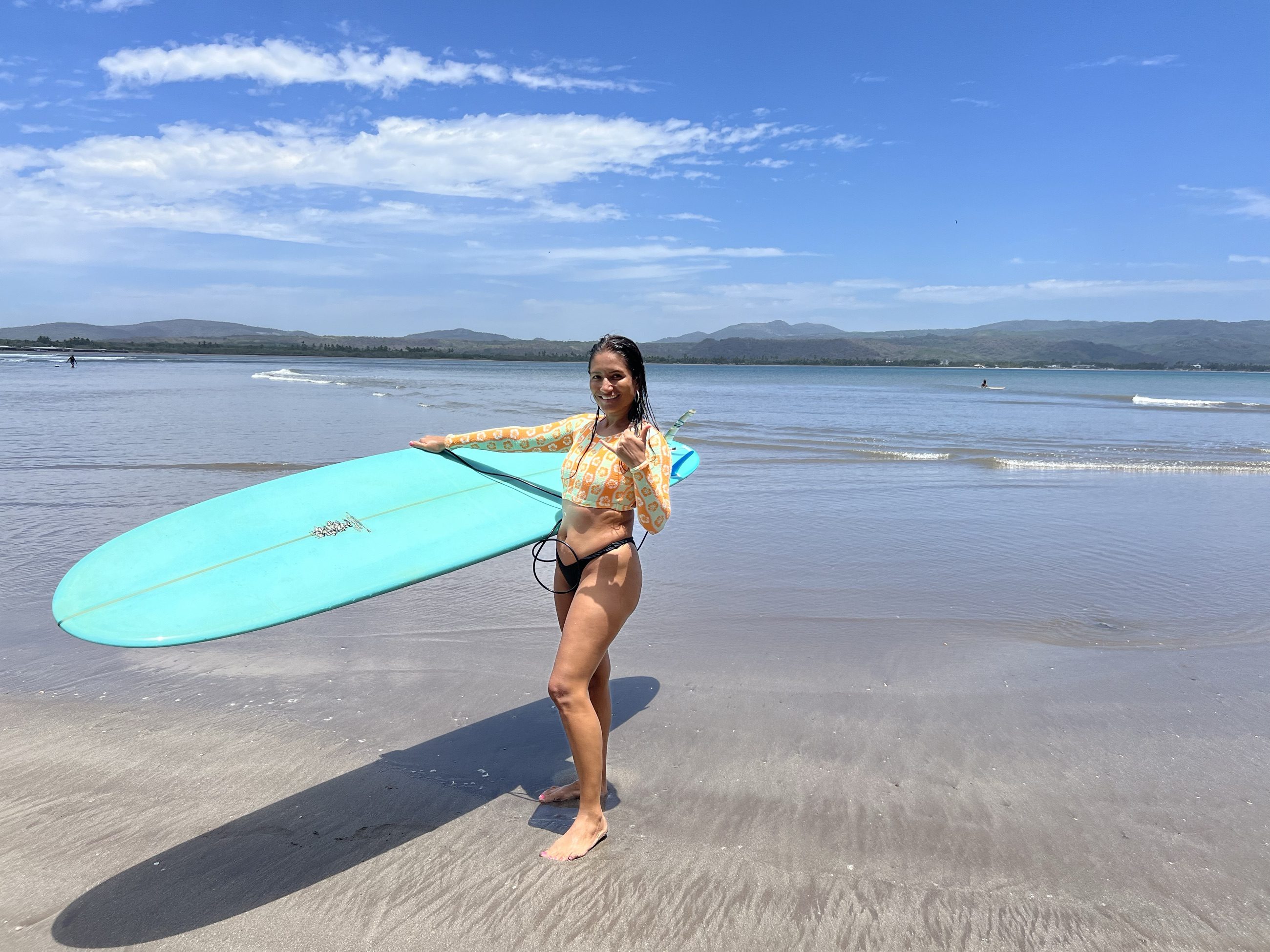
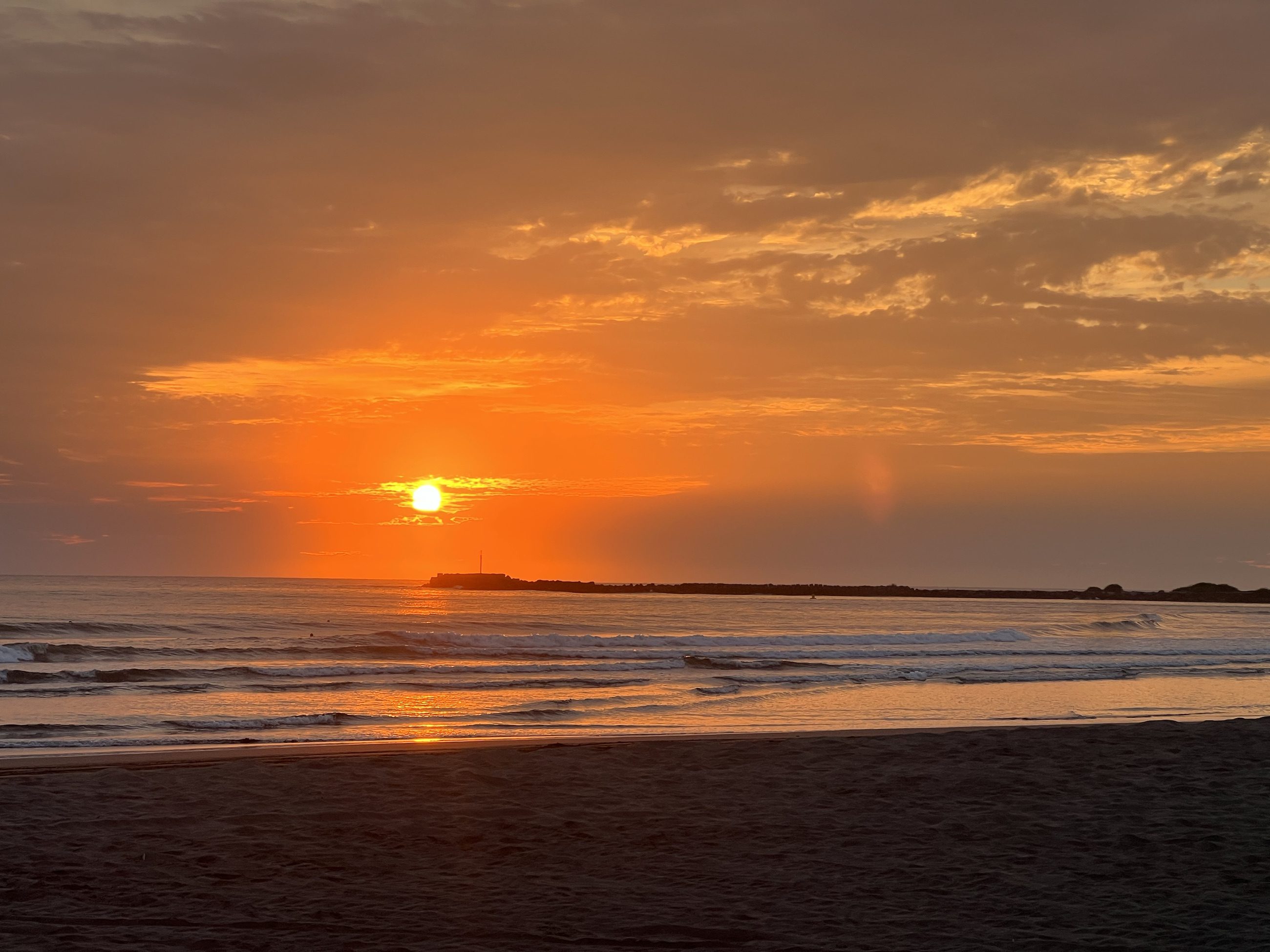
San Blas has sandy beaches, gentle surf and few people in the water, which is very favorable for learning to surf.

The place
San Blas, a small port in the middle of the state of Nayarit, is part of the Riviera Nayarit.
The destination
It is a destination rich in natural resources. Its two main ecosystems, the ocean and the wetlands, offer a wide variety of activities and attractions for anyone who enjoys spending time outdoors. To visit San Blas is to connect with nature.
San Blas is an excellent destination for anyone who enjoys spending time outdoors, exploring the estuaries, relaxing in freshwater springs, or walking trails that few people use.
Why here
Not all beaches are the same, and not all of them are suitable for learning to surf.
San Blas has sandy beaches, gentle surf and few people in the water, which is very favorable for learning to surf.
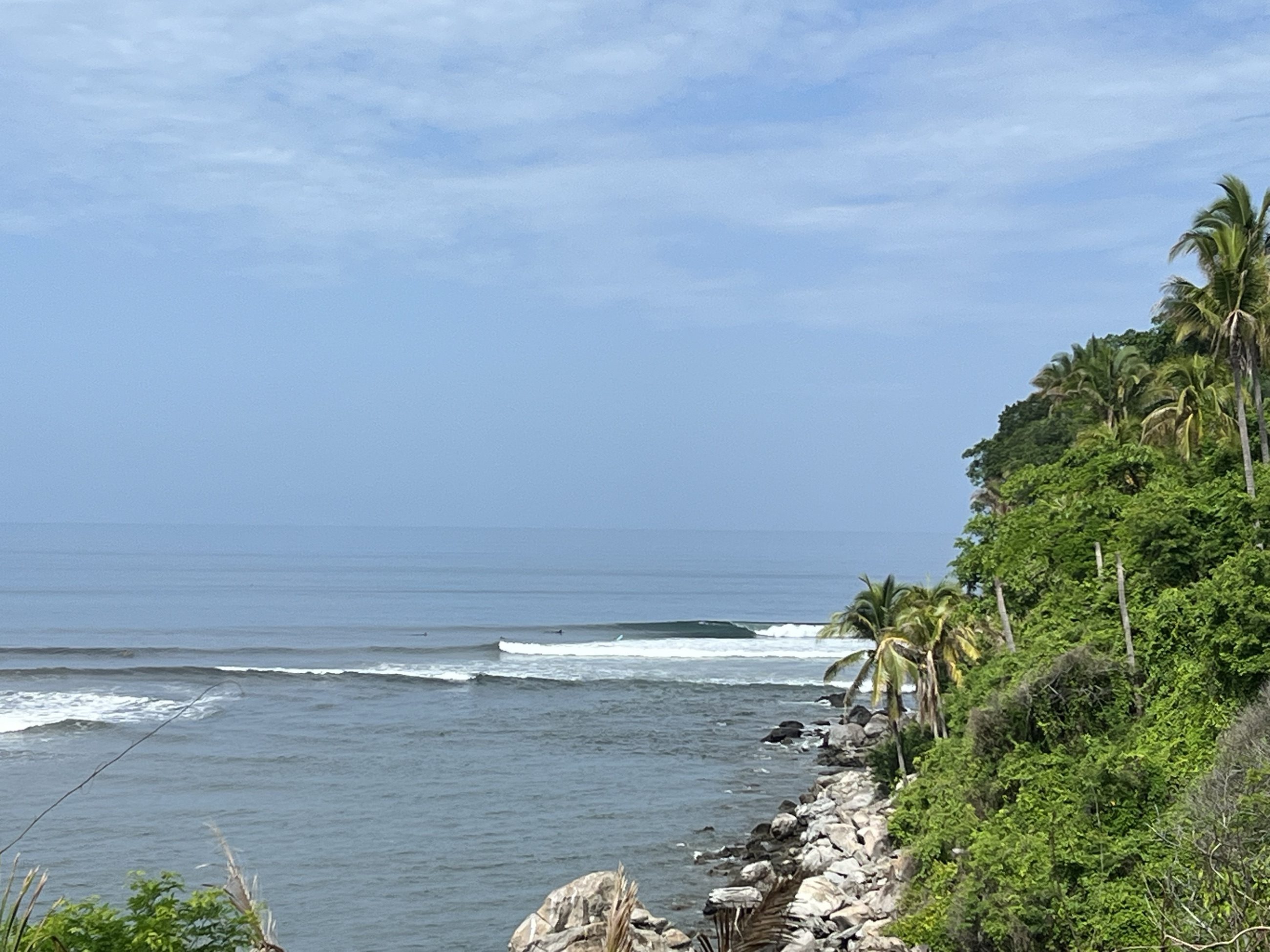
San Blas and the area around it have a variety of waves that suit every level of surfer.
Playa Las Islitas and Matanchen Bay have calm water most of the year, ideal for learning and practicing paddling.
The place
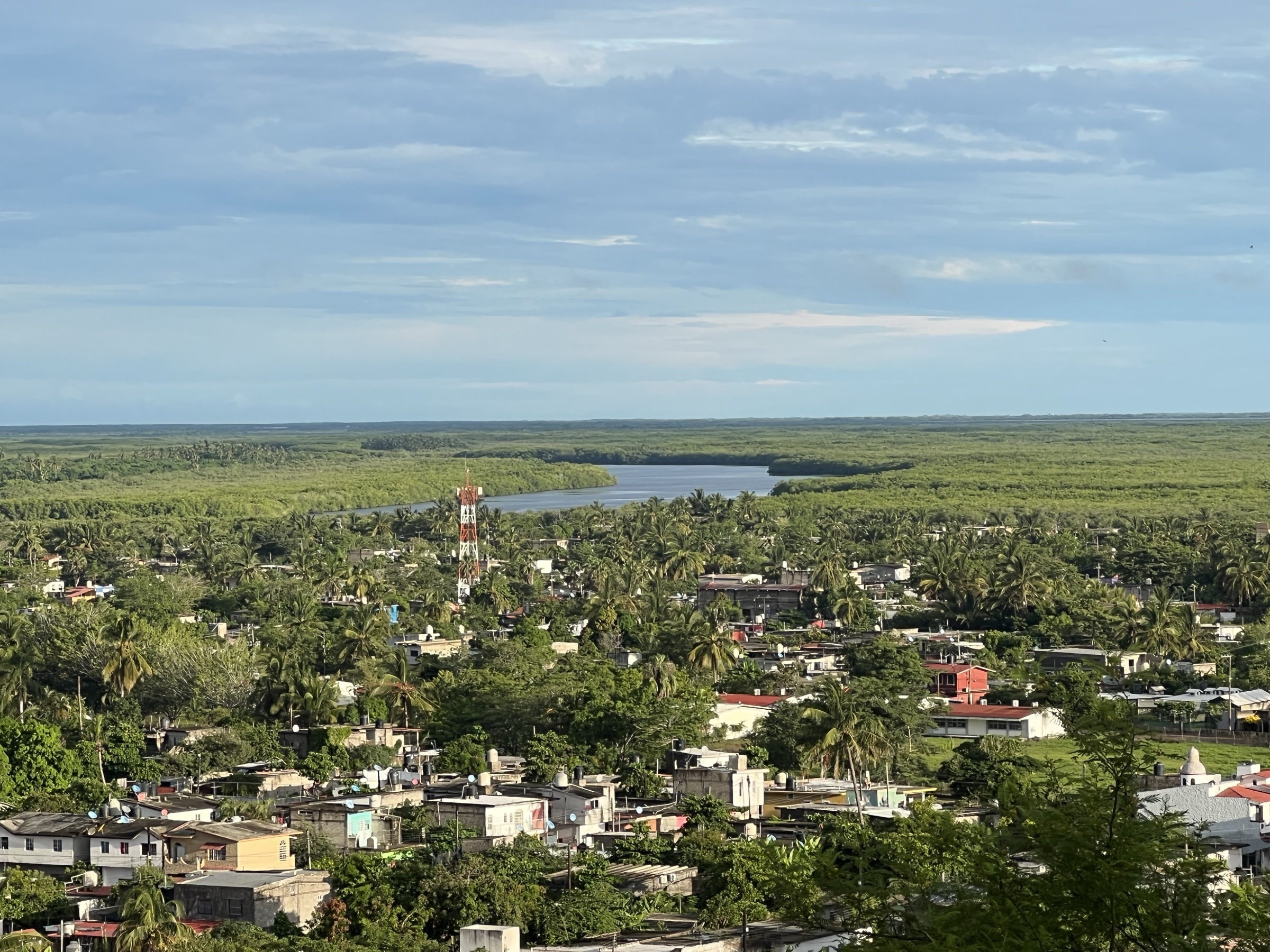
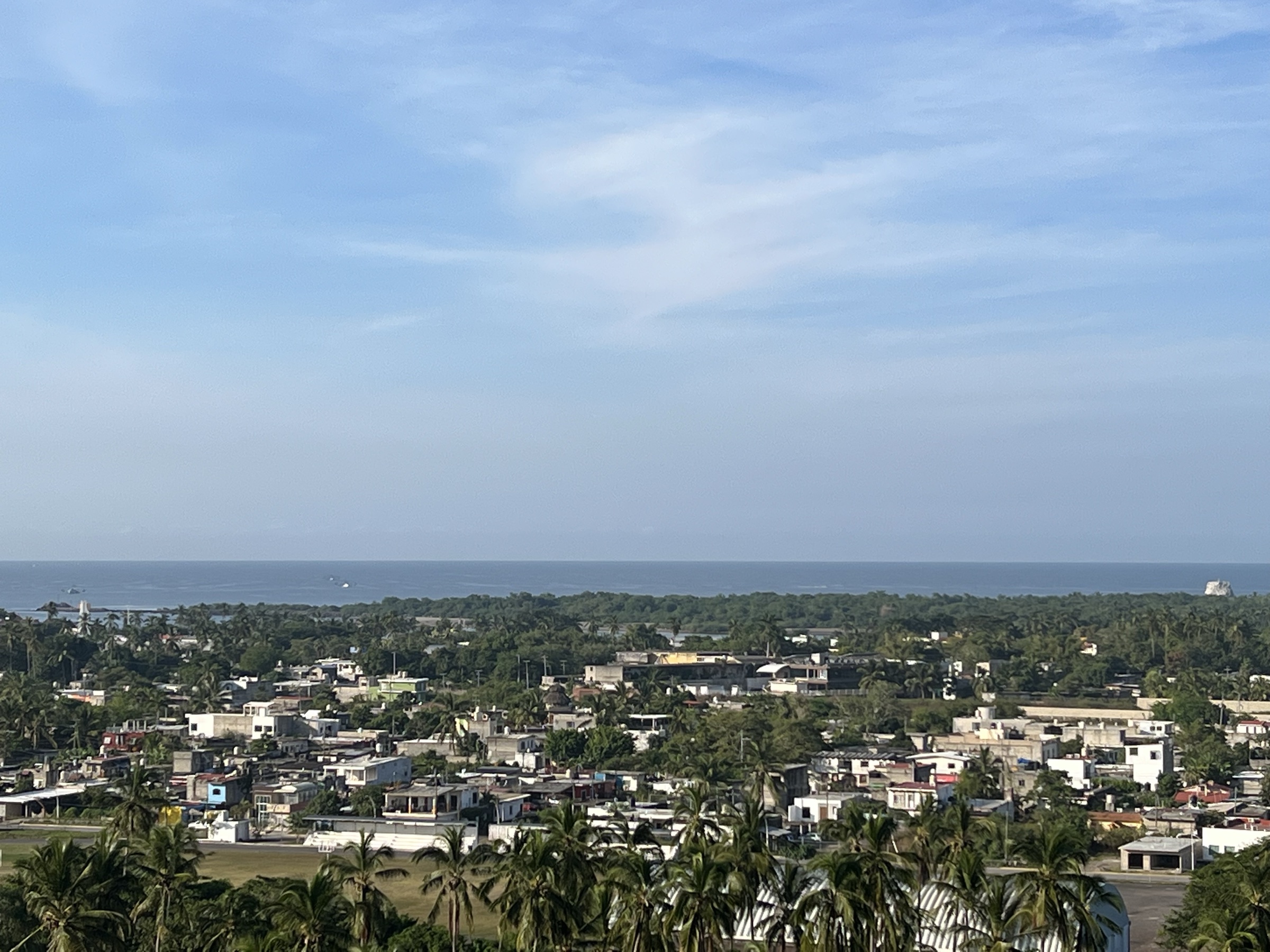
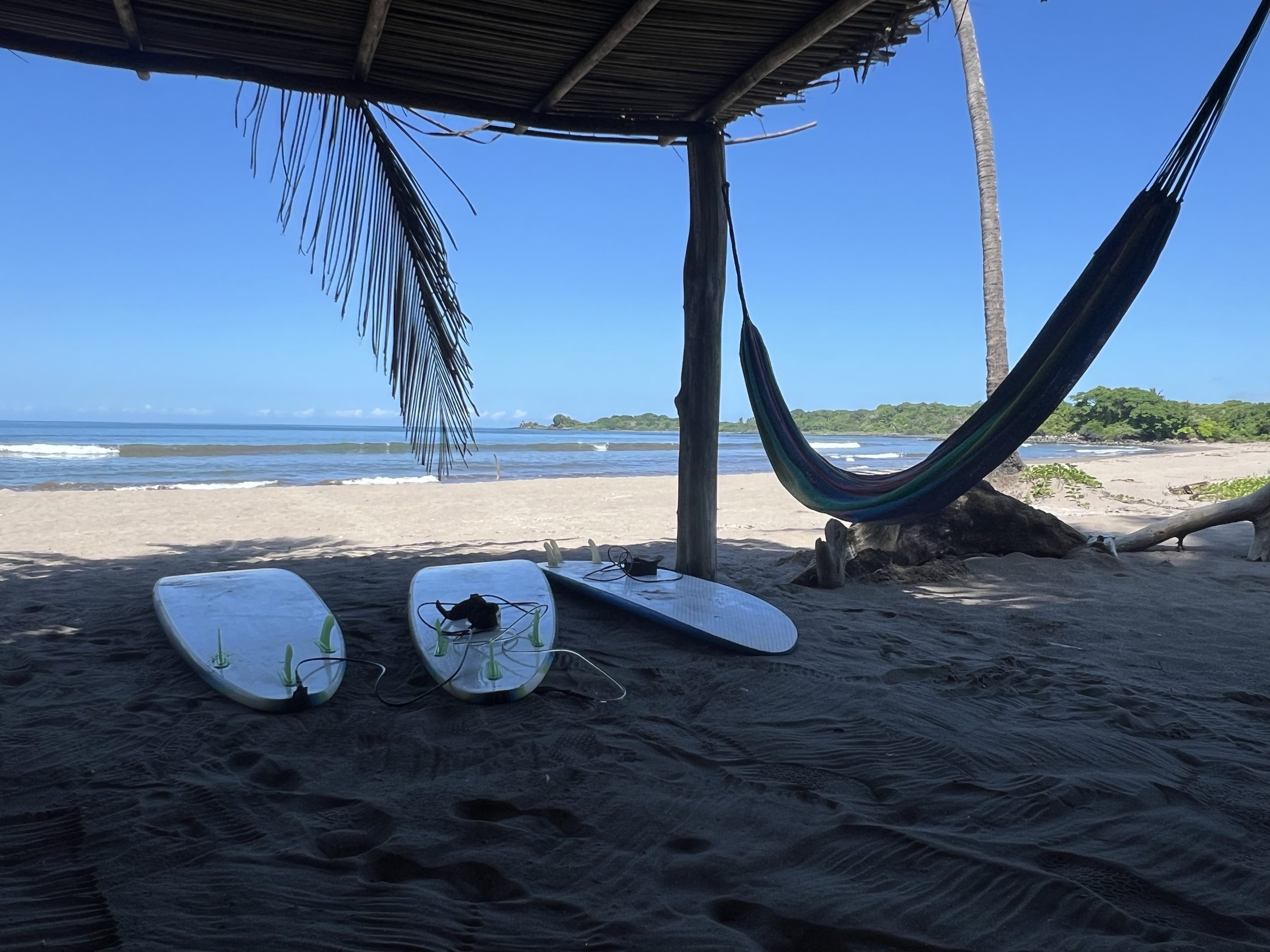
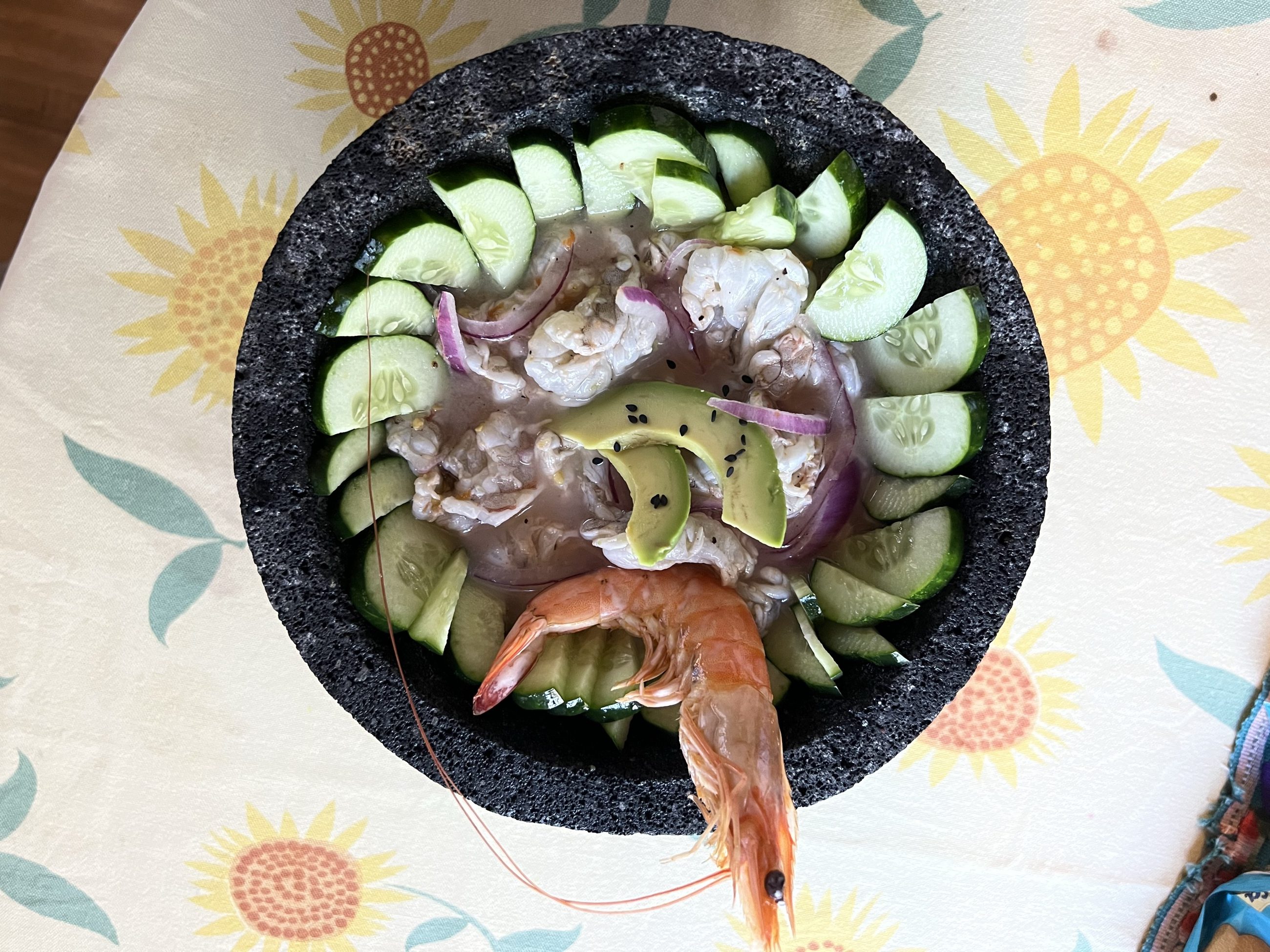
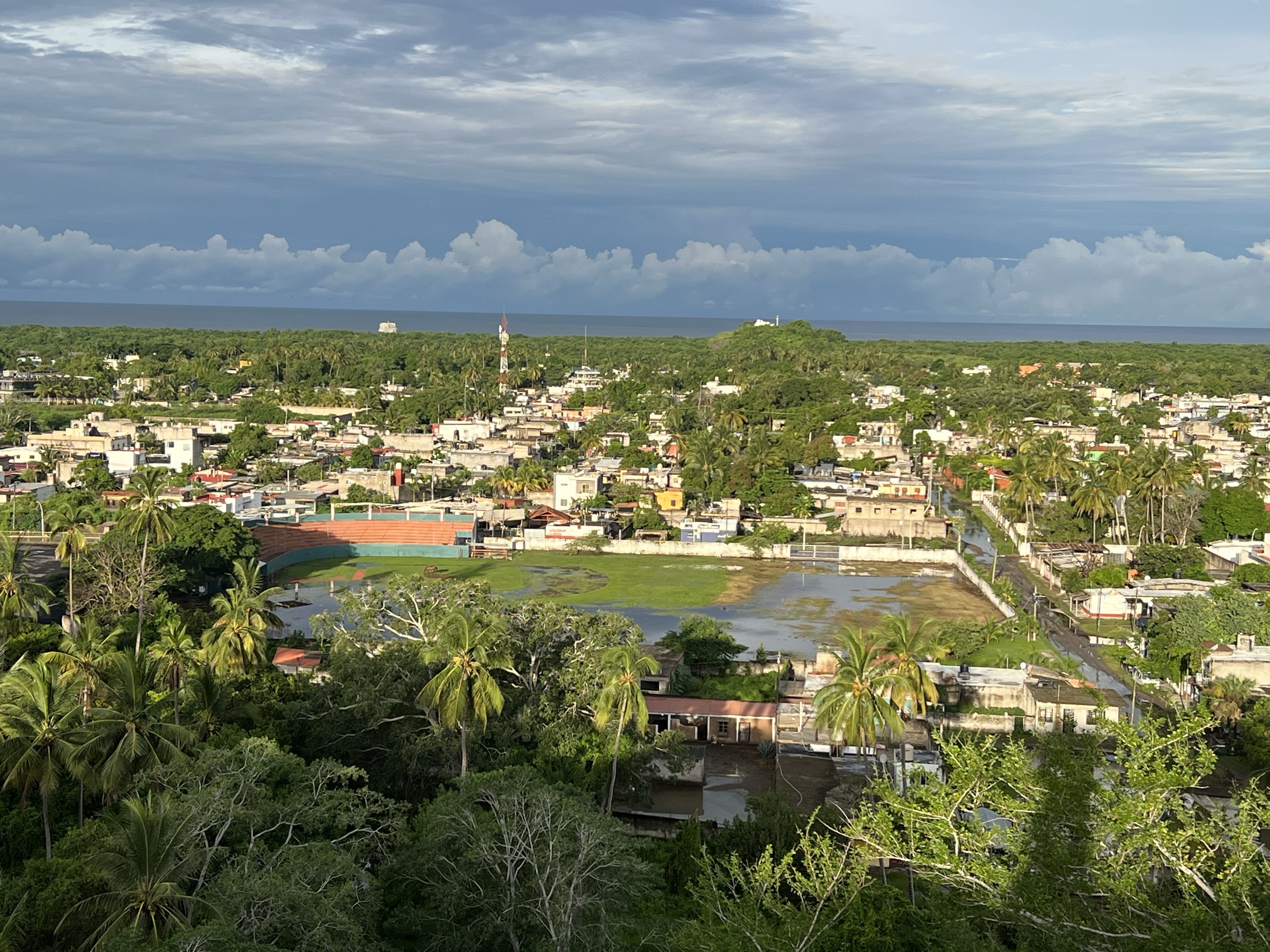
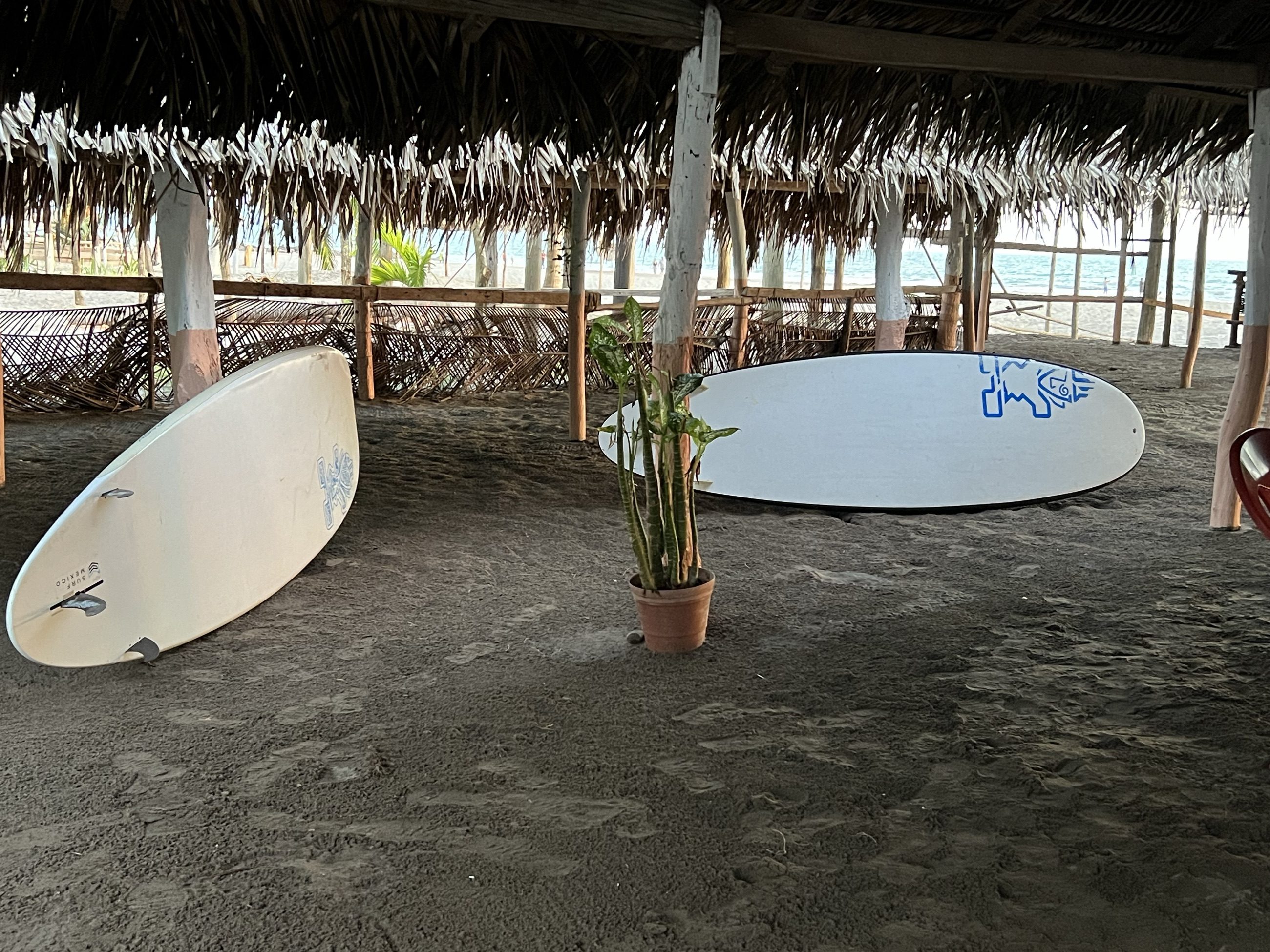
The town, the estuary and the mangrove fit into one view from the hill. On the beach you will find palm-thatched restaurants, boards and fresh local seafood.
What to do
These are the activities and the attractions available in the port of San Blas and its surrounding areas.
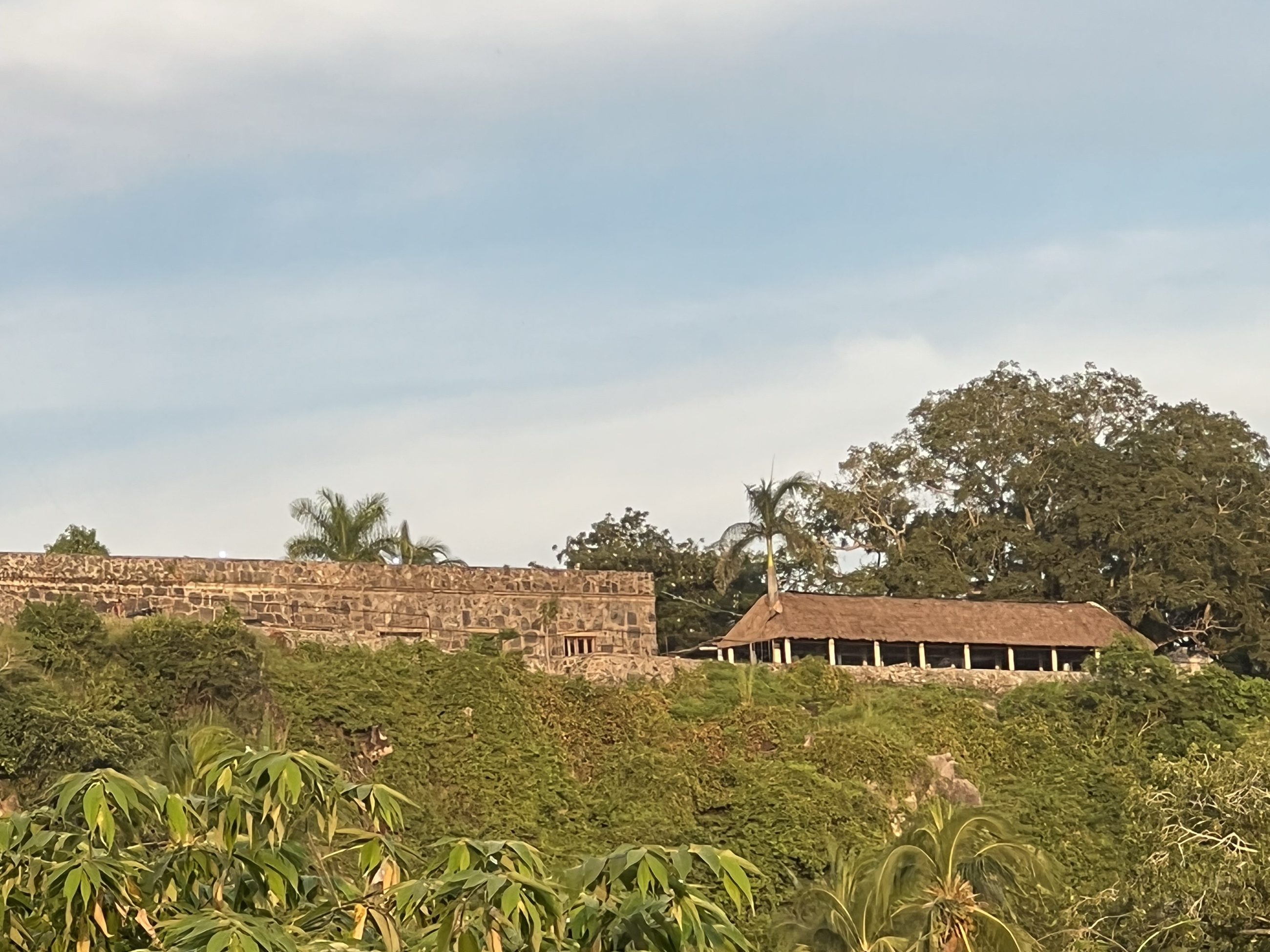
La Contaduría, commonly known as El Fuerte, the fort, is a historic attraction of the port of San Blas. The best part of the visit is the panoramic view you get of the port.
20 pesos per person (roughly $1 USD)9am – 6pm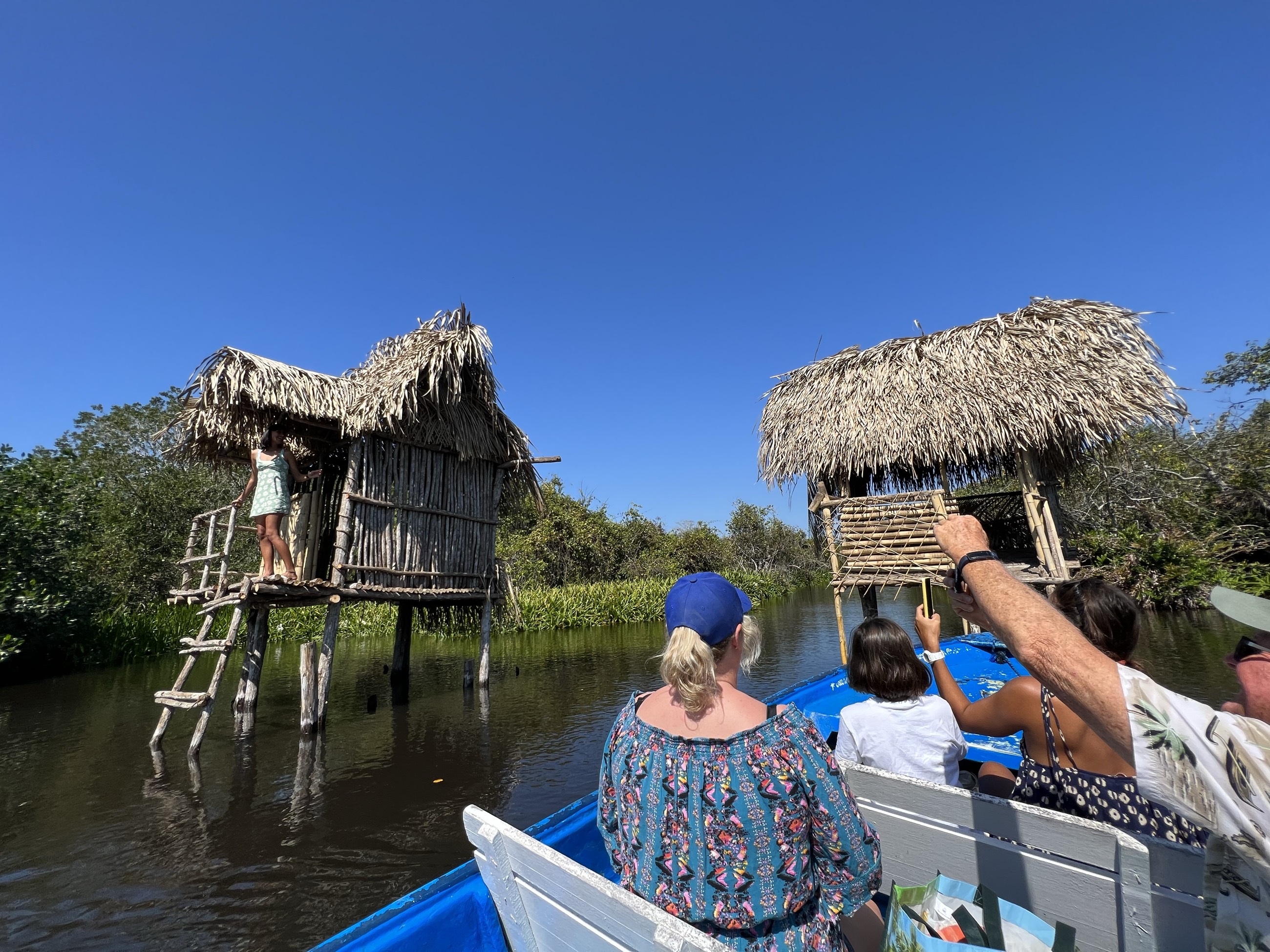
A clear freshwater spring surrounded by mangroves. The ride is a 30-minute boat trip through the natural channels of the mangrove.
250 pesos per person (roughly $15 USD)Last boat 4pm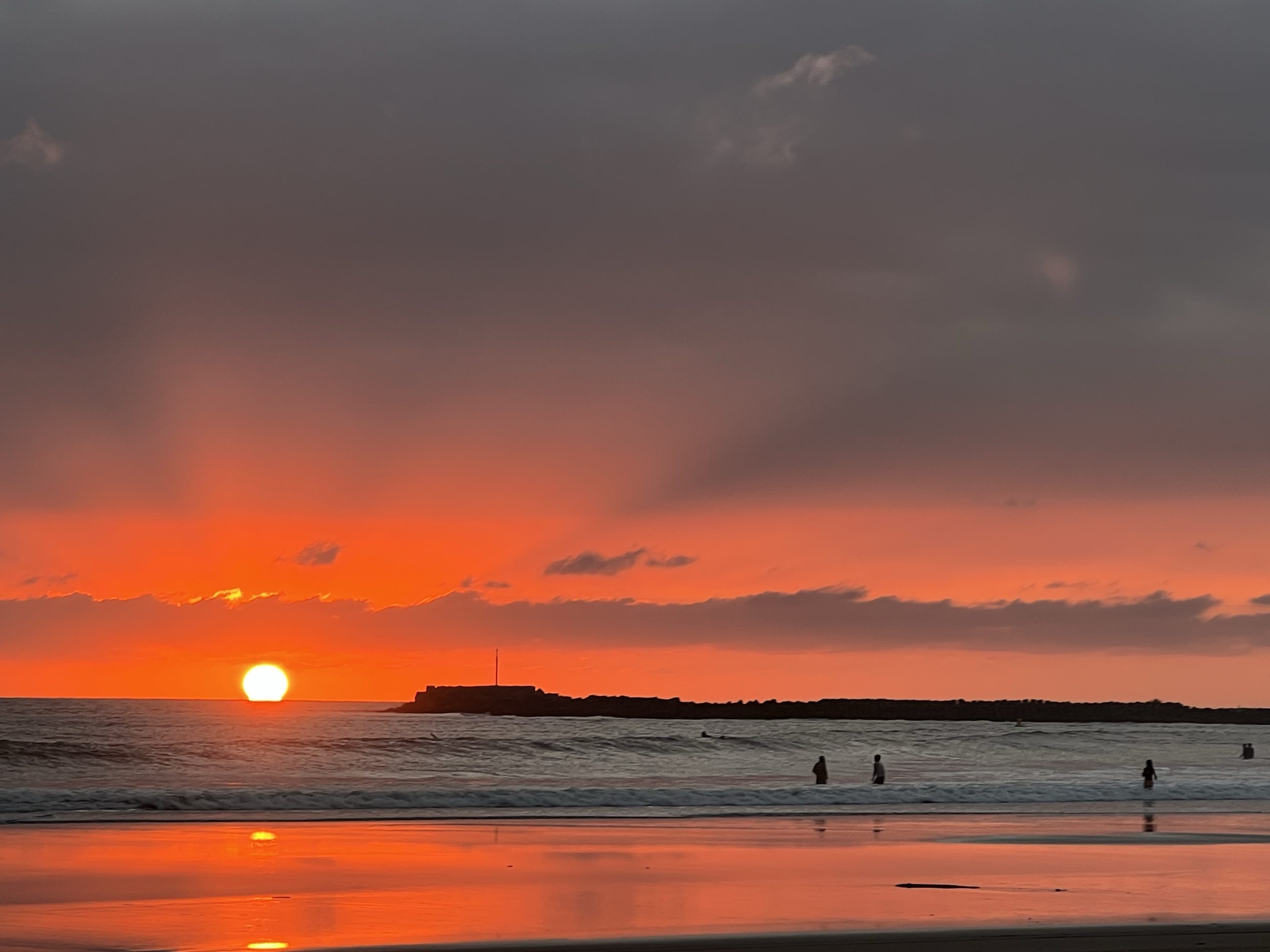
One of the little-known, little-visited spots in San Blas. An untouched beach, excellent for spending a couple of hours away from other visitors.
Crossing 20 pesos round trip (roughly $1 USD)Boats 8am – 5pm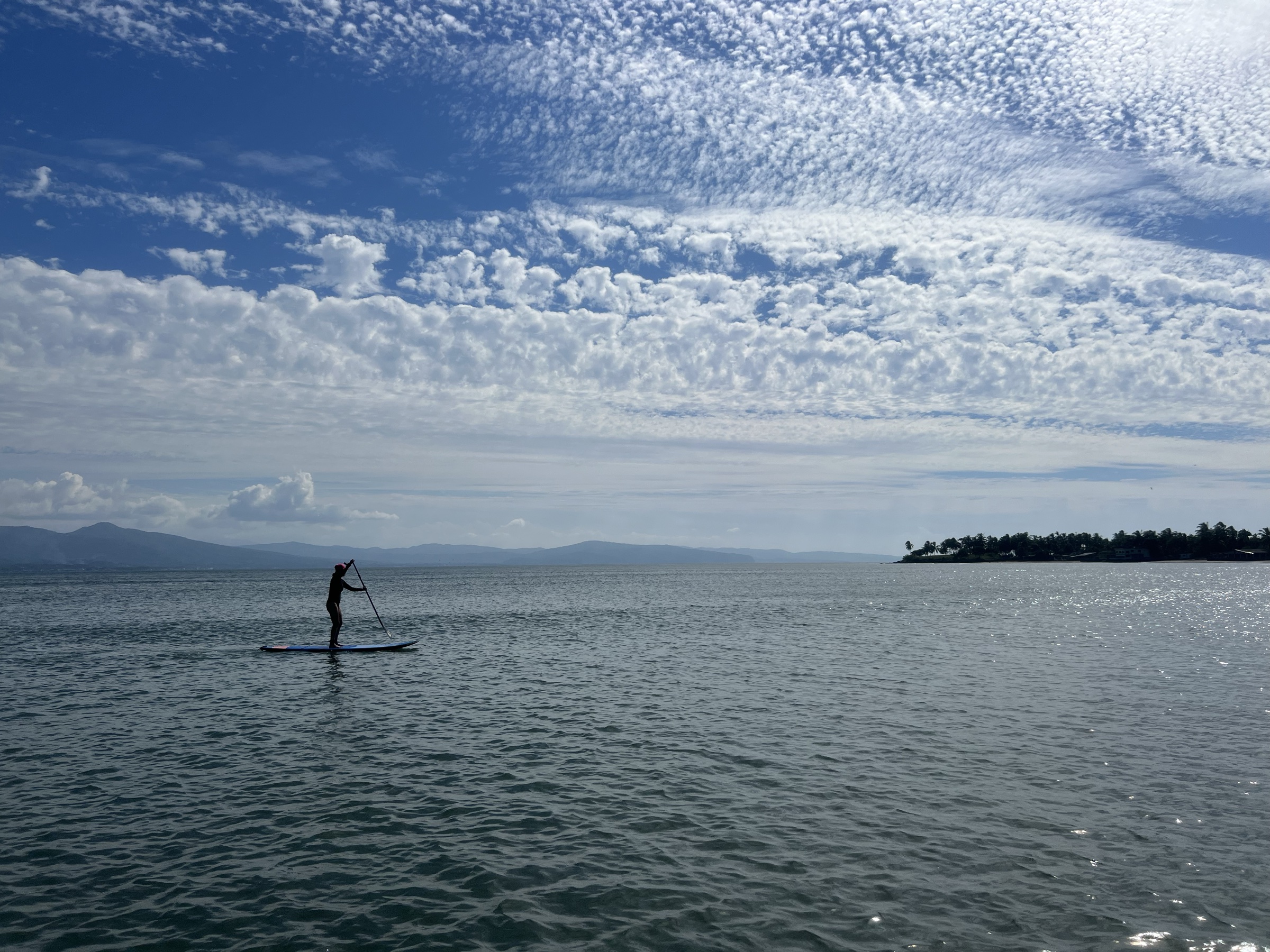
Playa Las Islitas and Matanchen Bay have calm water in every season of the year, ideal for learning and practicing paddling.
2-hour lesson$55 USD per person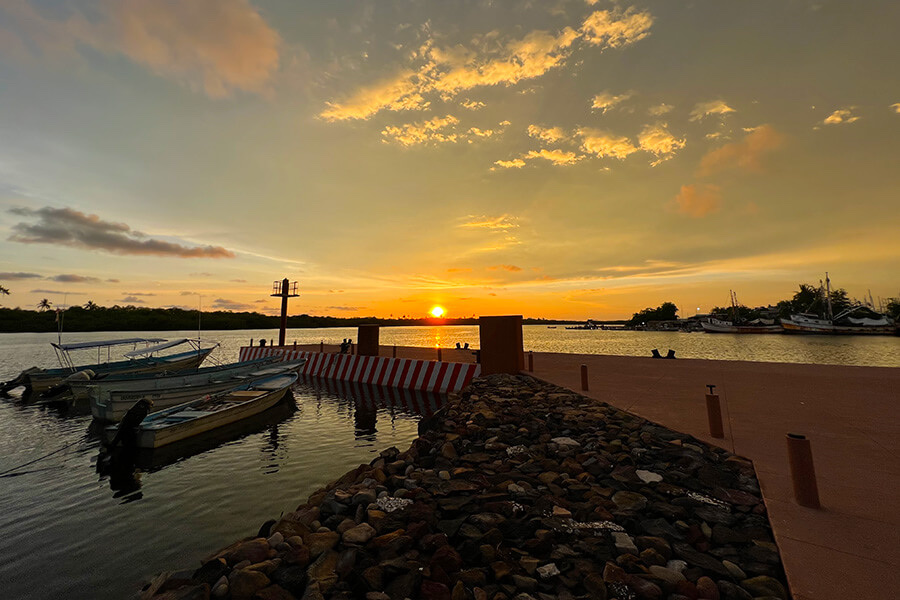
Immortalized by the Maná song, the pier is a place the whole family can enjoy. The one stop you cannot skip is a photo with the statue of Rebeca.
No chargeBest between 10am and 6pm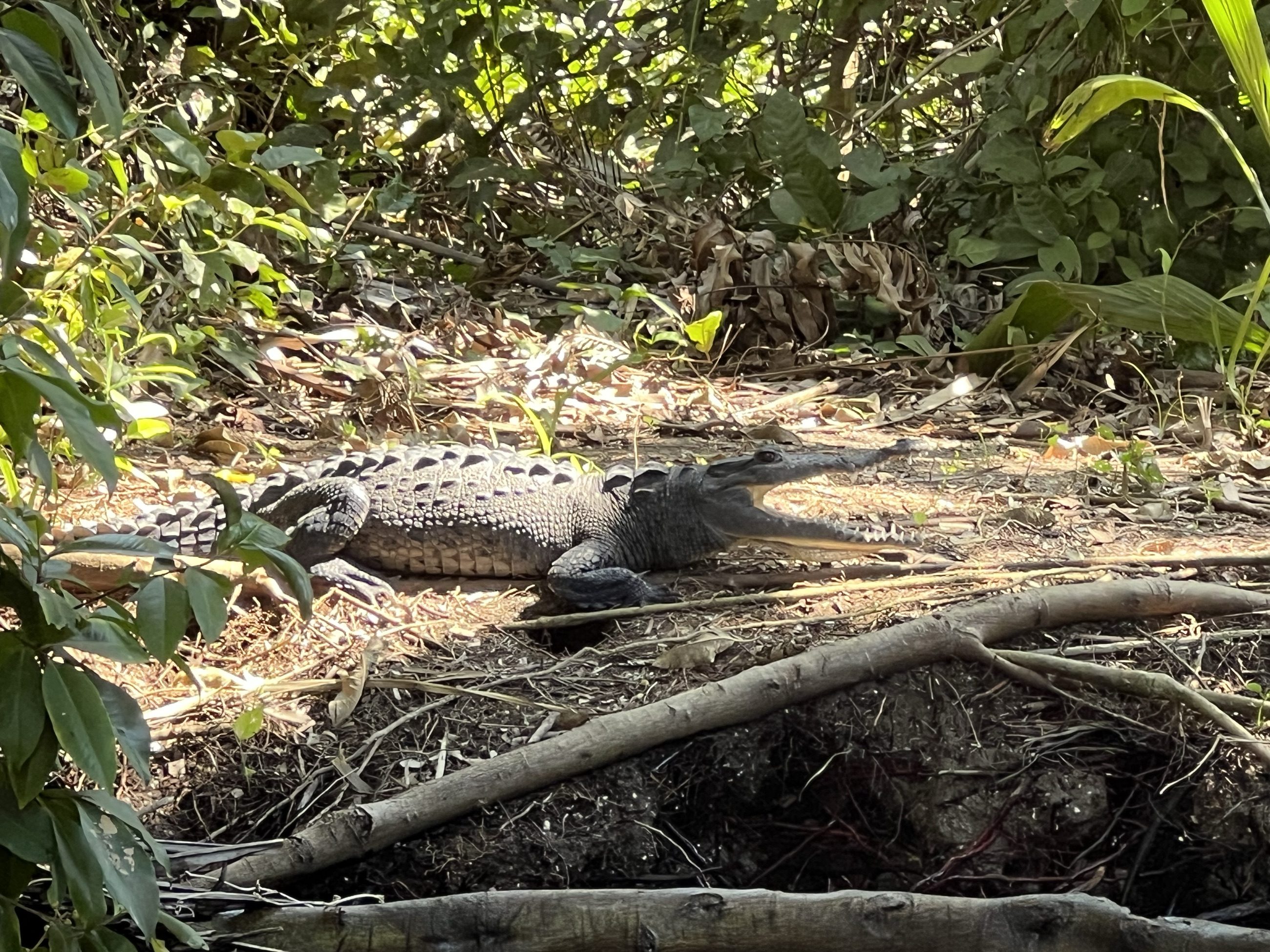
Nature
When you visit San Blas, make a point of getting to know these two ecosystems. The mangrove has several functions within the local ecosystem, and the ocean is still an important source of food and income for the community. Visit San Blas and explore these important ecosystems.
More activities
Among the popular things to do on your visit to San Blas are:
Whale watching and some of the other activities are only available in certain seasons of the year.
Frequently Asked Questions
November through April is the dry season. The weather is more pleasant and there is less humidity. It is warm, but not too hot. It is normally considered the best season.
In those months the surf is smaller, which is what suits you if you are coming to take your first surf lesson.
July through October is the rainy season. There is more humidity, the heat is stronger, and it is more common for certain spots around San Blas to have good waves.
Each season has its insect: in the dry season there are more no-see-ums (jejenes), and in the rains more mosquitoes.
Not always. The no-see-um is more common during the dry season, from November to May or June, depending on when the rains start.
Its cycle is determined by the phases of the moon. During the new moon and the full moon is when there are the most no-see-ums.
Two things reduce the amount of no-see-ums: wind, and a moon that is neither new nor full.
The best thing to do is to stay away from the estuary and the beach at sunrise and at sunset. Wear clothing that covers the whole body, long pants and a long-sleeved shirt, and use repellent as well.
The mosquito is more common during the rainy season, which generally runs from July through October.
Its cycle goes with the rainy days. It rains and, about two days later, you notice more mosquitoes.
To protect yourself, wear long pants and a long-sleeved shirt, and stay away from overgrown places and places with a lot of vegetation, like the estuaries and the mangroves, which is where they breed.
There are four main areas: the town, playa El Borrego, Matanchen Bay, and Las Islitas.
A fifth option is to stay out toward Los Cocos or Santa Cruz, although from San Blas that is a 30 to 40 minute drive away.
In all of them you will find small hotels, more traditional hotels, rental houses and Airbnb.
From Tepic, San Blas is less than an hour away. There are shared vans, called combis, that run from downtown Tepic to San Blas, and there are also buses from the Tepic bus station. If you have your own vehicle you take the toll road.
From Puerto Vallarta there are two bus departures a day to San Blas and back. The trip takes approximately three to four hours, depending on traffic and road conditions.
Three days to visit the main attractions: the boat ride to La Tovara, the Spanish fort (La Contaduría), the dock and an afternoon at the beach.
If you also want to learn to surf, you need six days: three to start the camp, a rest day, and two days to finish it.
Crocodiles live in brackish water, where salt water mixes with fresh water. That is why they are found mostly in the estuaries and in the lagoons that form when the tides come up.
They are territorial and they can move from one estuary to another. Sometimes it happens that, on that move, a crocodile comes out onto the beach instead of going into the estuary.
Contact
Tell us which dates you will be here and we will tell you what there is to do; in and out of the water.
Contact us San Blas, Nayarit
Visiting? Ask us
San Blas, Nayarit
Visiting? Ask us